


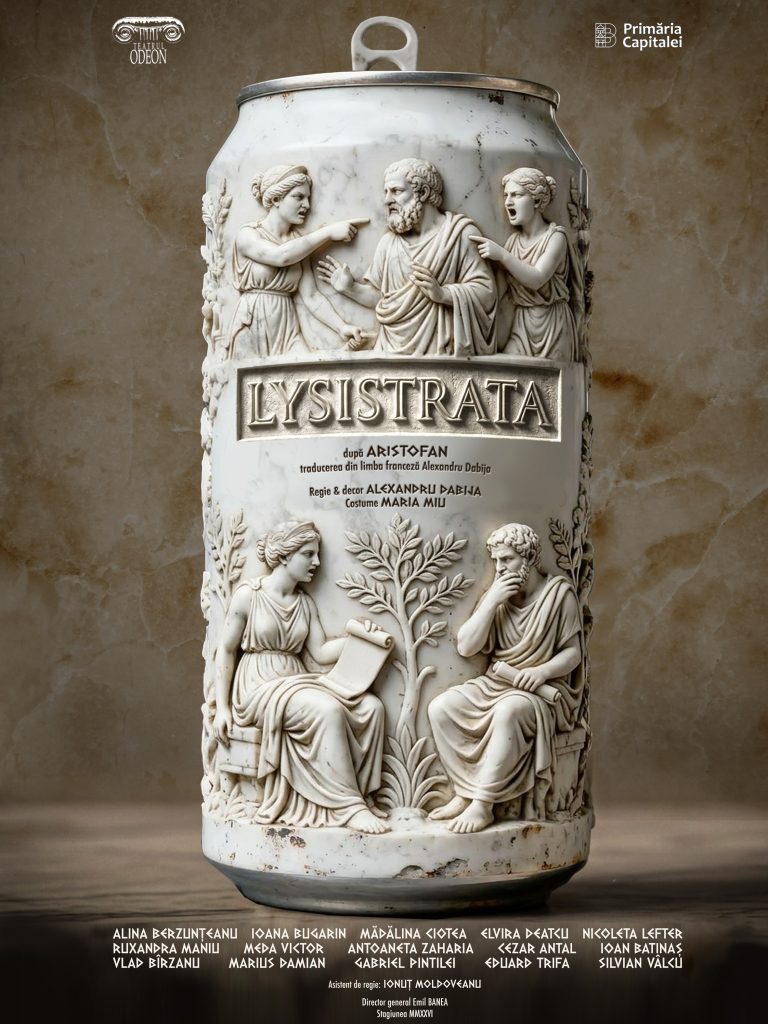
after Aristofan
Melita: Alina Berzunțeanu
Androdame: Ioana Bugarin
Lysistrata: Mădălina Ciotea
Kalonika: Elvira Deatcu
Afonia: Nicoleta Lefter
Lampito: Ruxandra Maniu
Myrrina: Meda Victor
Despina: Antoaneta Zaharia
Iorgu: Cezar Antal
Strymos: Ioan Batinaș
Blepiros: Vlad Bîrzanu
Trigeu: Marius Damian
Socrate: Gabriel Pintilei
Probulos: Eduard Trifa
Kinesias: Silvian Vâlcu
French translation and adaptation: Alexandru Dabija
Directed and Set Design by: Alexandru Dabija
Costumes Design: Maria Miu
Assistant Director: Ionuț Moldoveanu
Written during one of the darkest periods in the history of Athens, Lysistrata is one of Aristophanes’ best-known and most daring comedies (c. 450 – c. 388 BC).
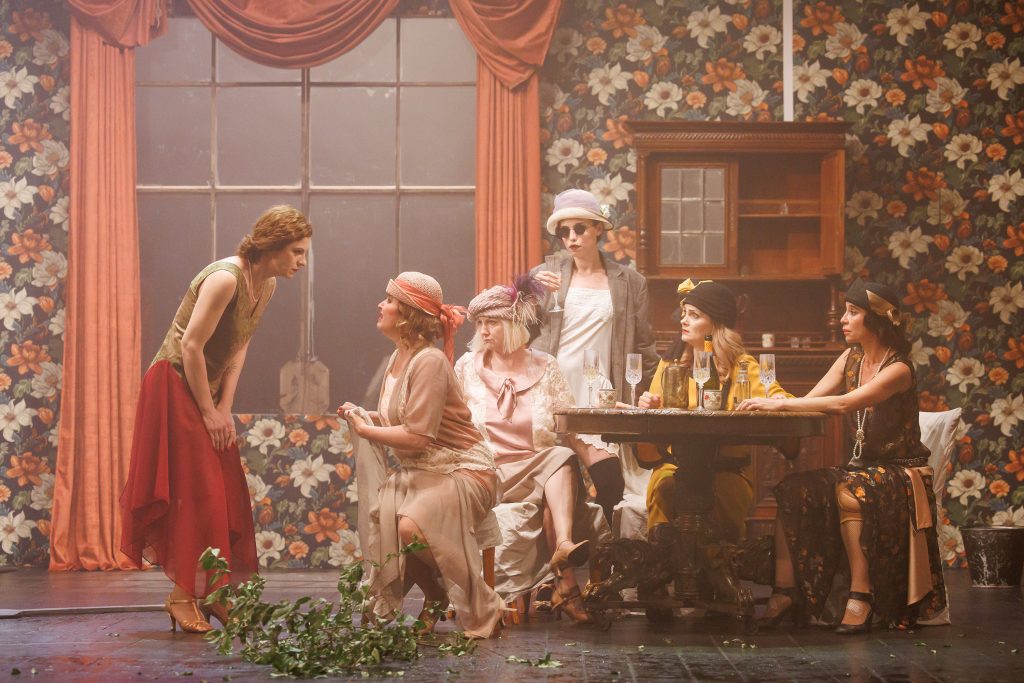
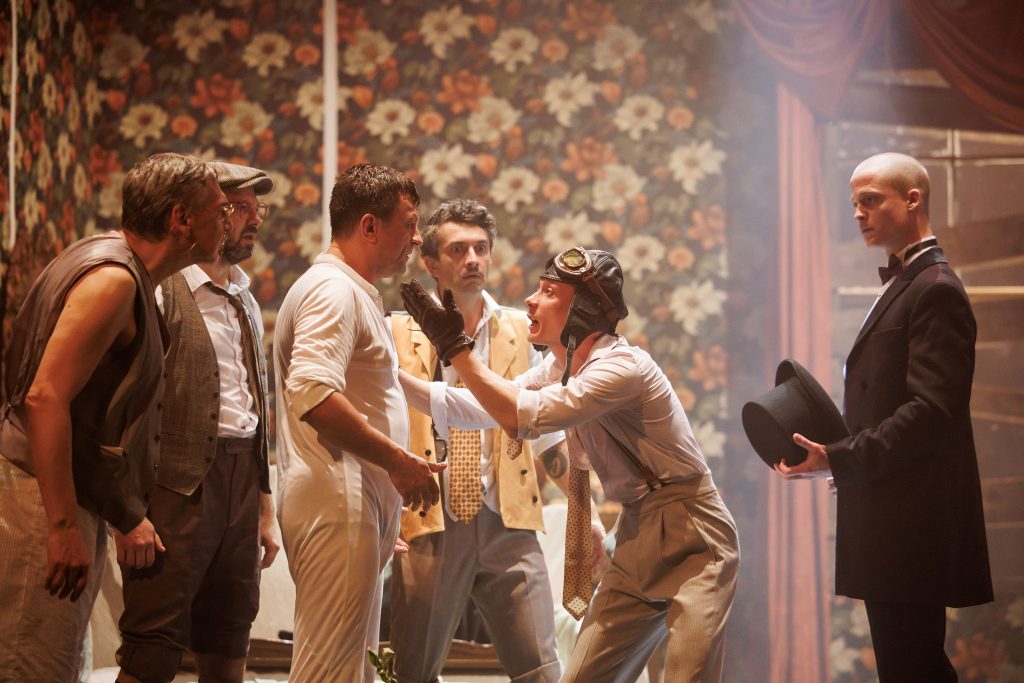
In a Greece torn apart by war, Lysistrata succeeds where political leaders have failed: she unites the women of the warring city-states and persuades them to launch an extraordinary revolt against the war. By seizing the city’s treasury and refusing marital relations, they seek to force the men to make peace.
Rich in humour, farce, eroticism, and political irony, Aristophanes’ comedy conceals beneath its exuberance a question that remains strikingly relevant today: who truly bears the consequences of conflicts and of the decisions made by those in power?
Openning date: June 28, 2026
Duration: 1h 10′
“PThe play you are about to see was first performed 2,436 years ago. It is hard to imagine what 2,400 years really means. What people were like then, what they talked about, what they were thinking… In Greece 2,400 years ago, the war between the great city-states of Athens and Sparta had already lasted twenty years. Back then, people went to war over the slightest pretext. The same is true today. This has been going on for thousands of years.”
Alexandru Dabija
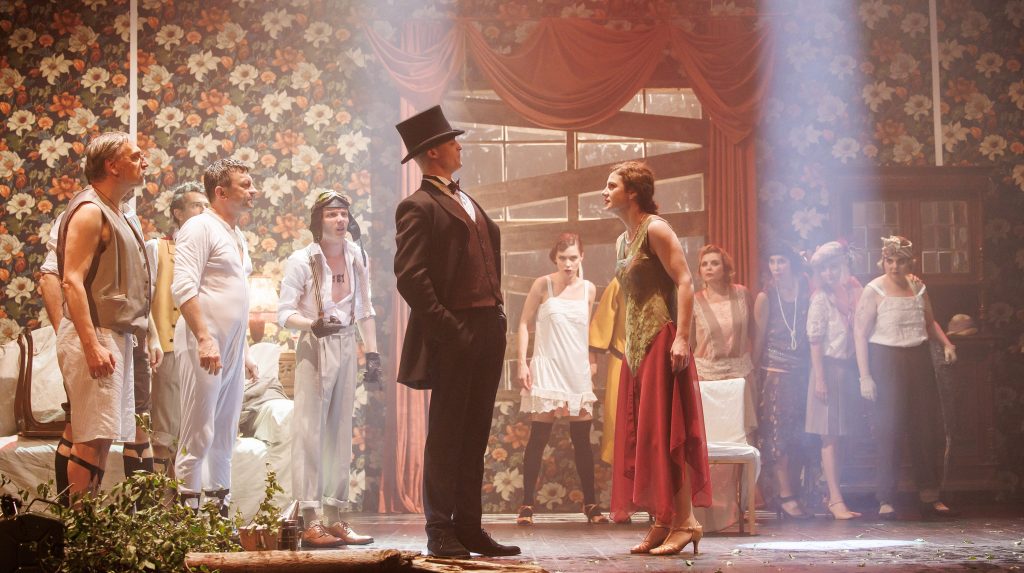
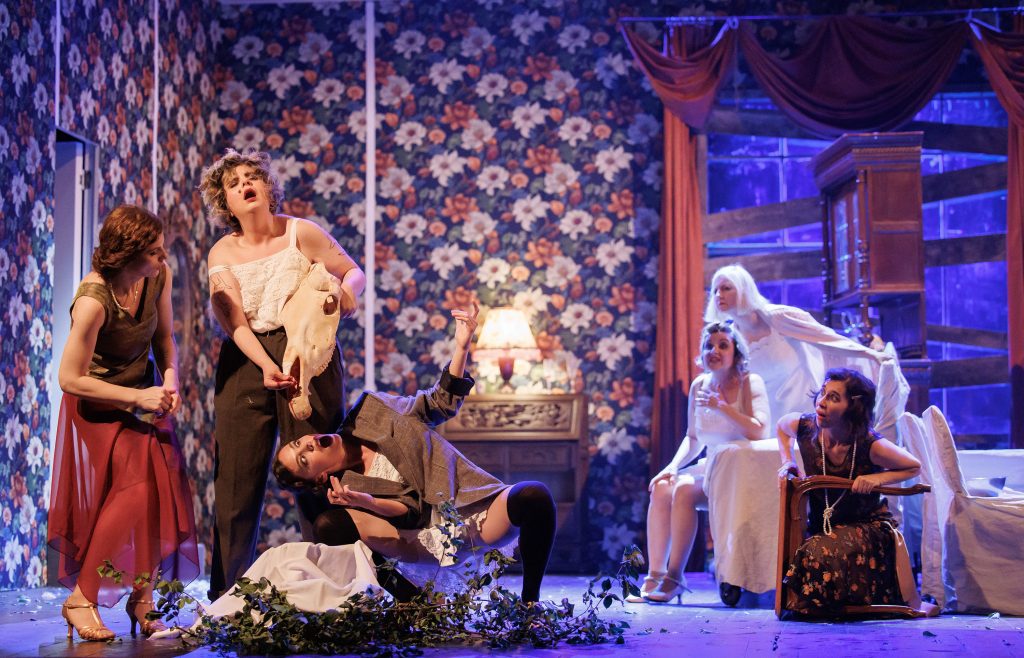
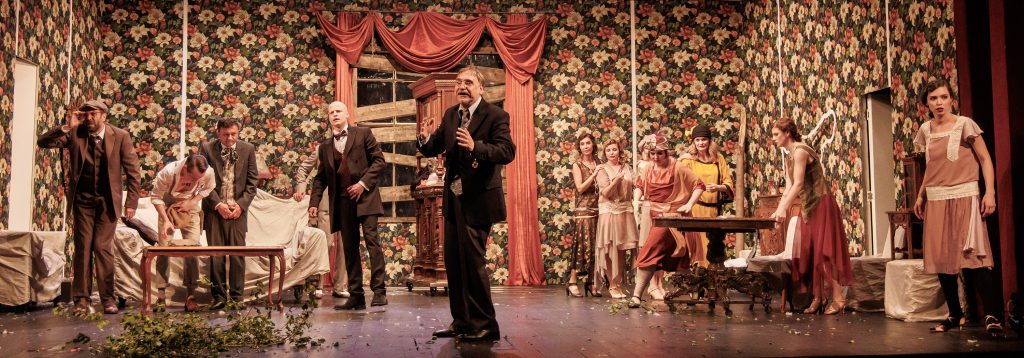
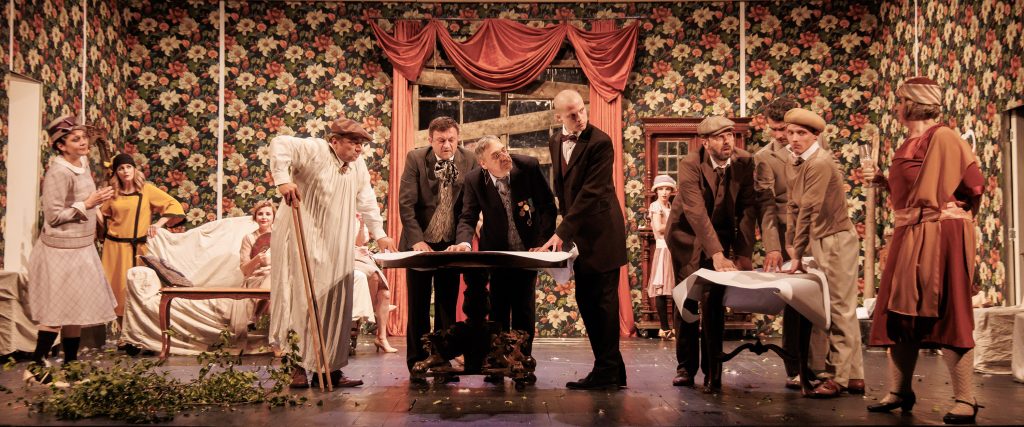

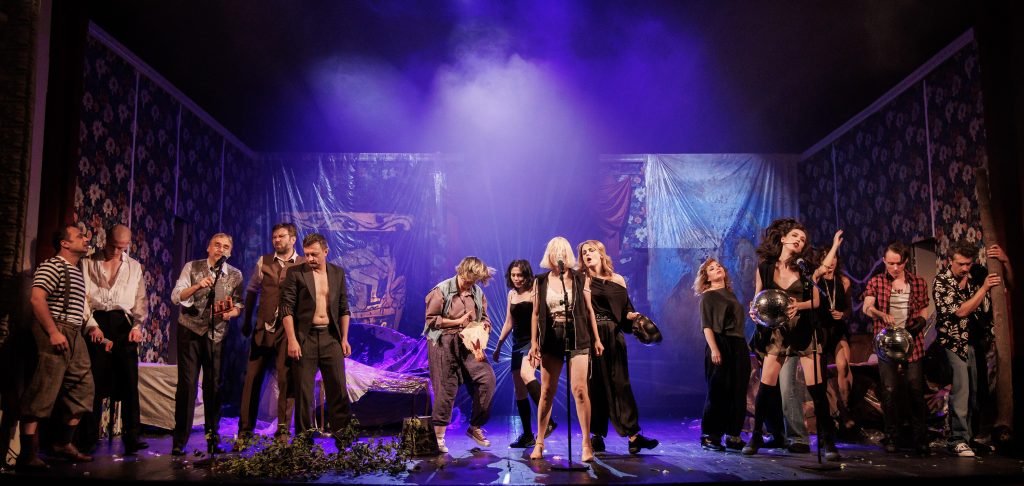
Photos by Andrei Gândac
